

Year 10 Geography Fieldwork: Bringing Learning to Life at Walton-on-the-Naze
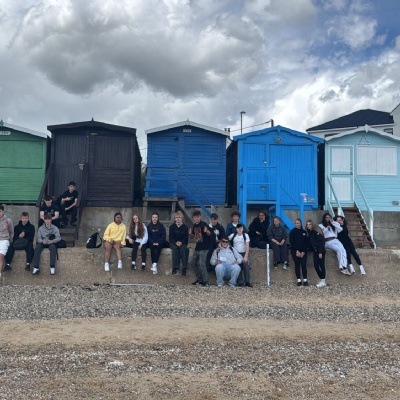
During the week commencing 8th June, our Year 10 Geography students travelled to Walton-on-the-Naze for an exciting day of fieldwork, applying the geographical skills they have developed in the classroom to a real coastal and urban environment.
The day began with physical geography fieldwork, where students carried out a risk assessment before investigating the process of longshore drift. They collected primary data by measuring the build-up of sand on either side of groynes and recorded the direction and strength of the prevailing wind. To further explore coastal processes, students timed how far oranges travelled in the sea over a two-minute period to estimate the direction and speed of sediment movement.
Students found that the long-term evidence of longshore drift matched what they had studied in lessons, although some of their daily measurements varied from expectations, demonstrating how coastal environments can change from day to day.
In the afternoon, students turned their attention to human geography, visiting three contrasting locations to assess environmental quality. Following another risk assessment focused on urban fieldwork and road safety, they completed bi-polar environmental quality surveys, rating factors such as litter, green space and the overall appearance of each area.
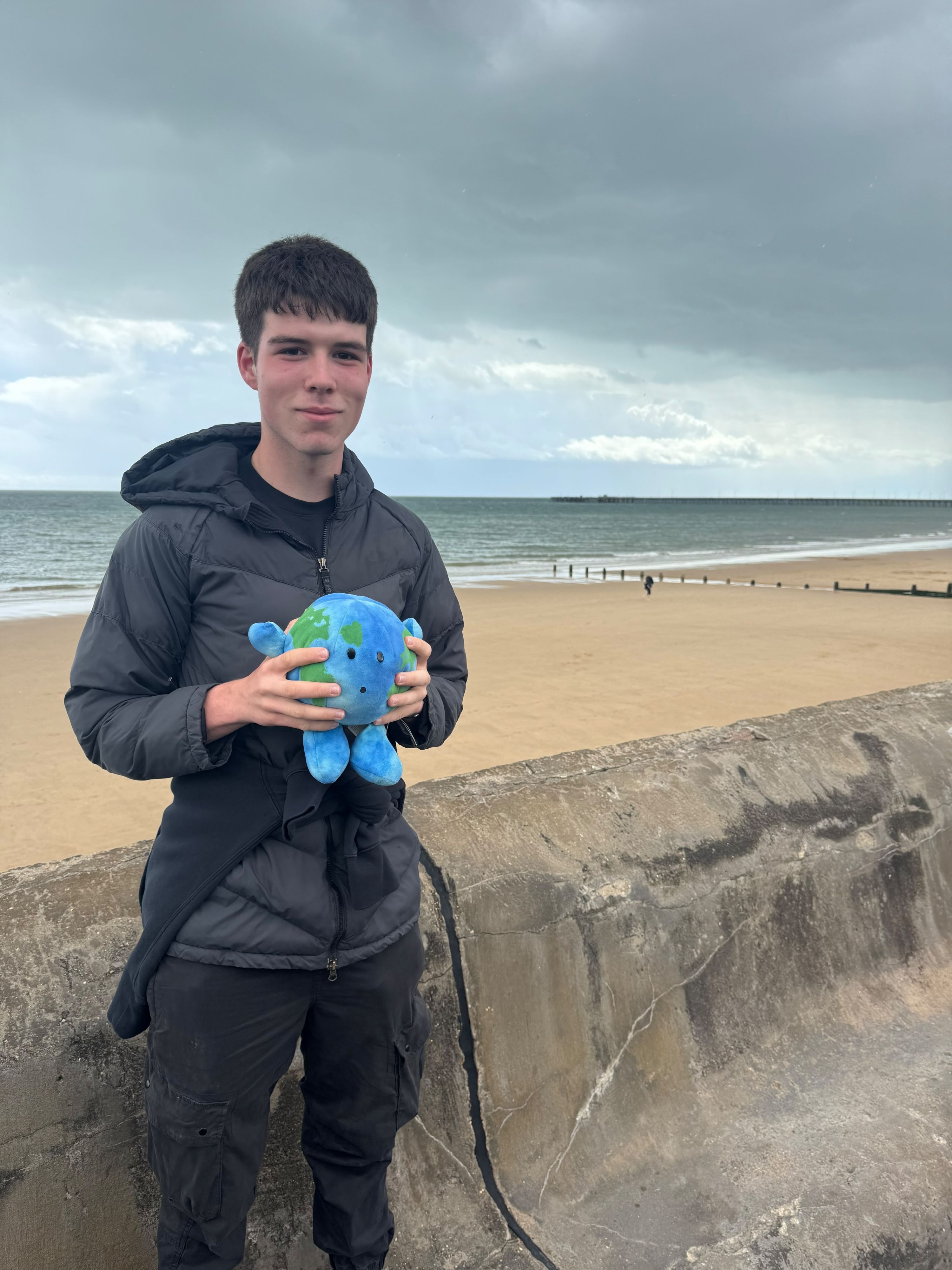
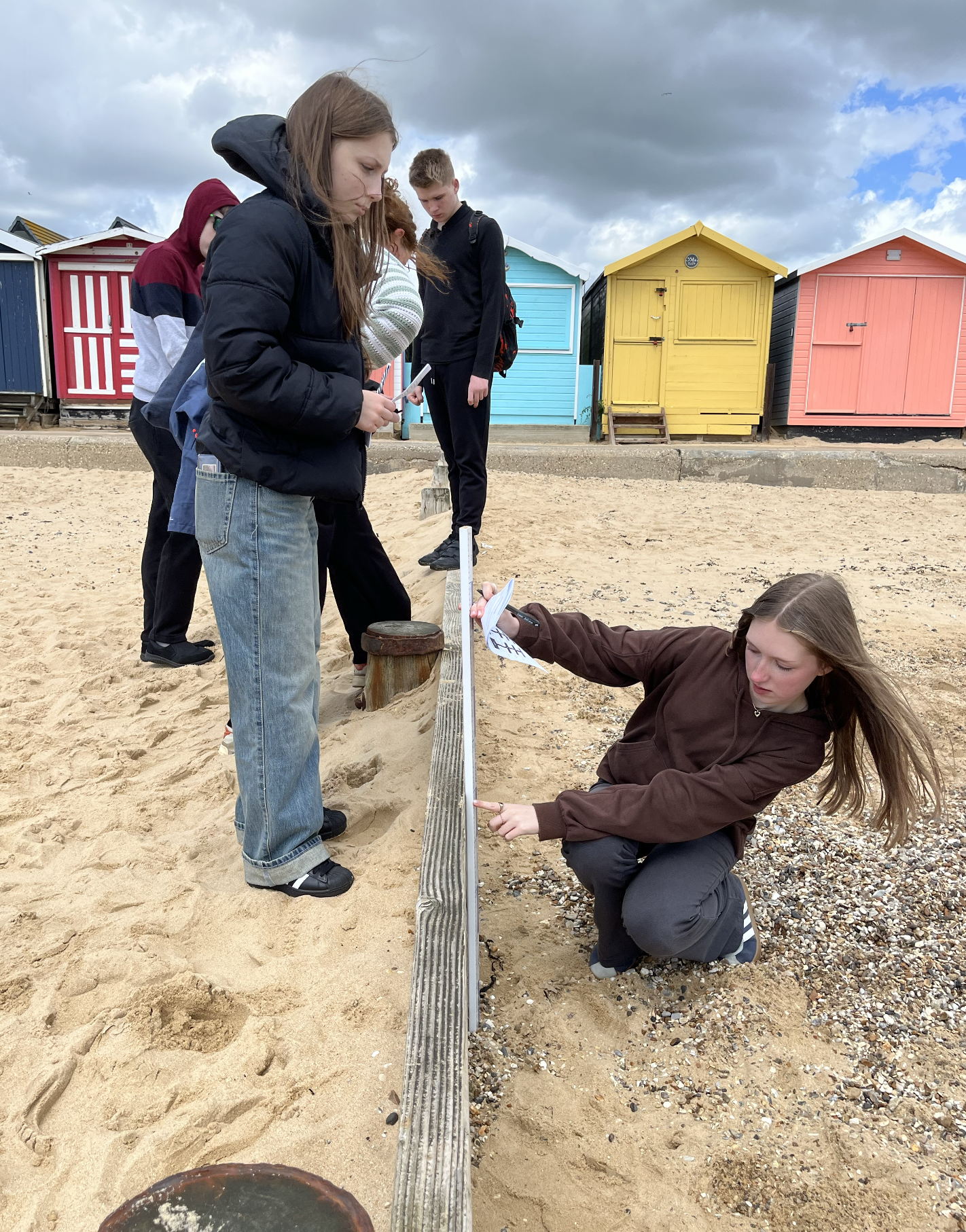
To complement their quantitative data, students also collected qualitative evidence by recording three words they felt best described each location. They then carried out traffic counts to investigate whether there was a relationship between vehicle numbers, noise and air pollution, and the overall environmental quality of each site.
A highlight of the trip was visiting the Naze Tower and Crag Walk, where students observed how rock armour is being used to protect the coastline from erosion. Seeing these coastal management strategies first-hand helped bring their Walton-on-the-Naze case study to life and strengthened their understanding of the challenges faced by coastal communities.
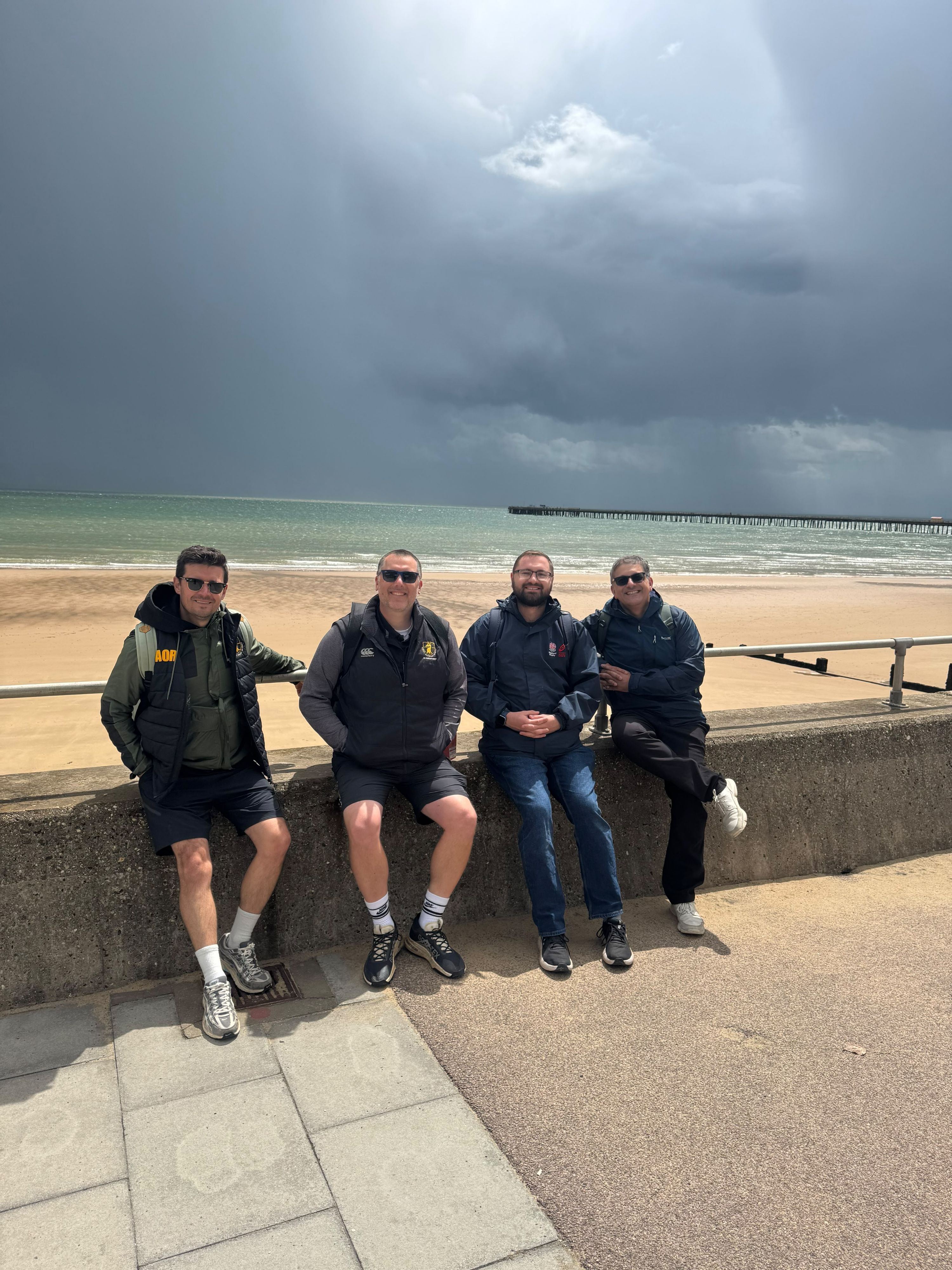
The visit provided students with an invaluable opportunity to experience geography beyond the classroom, developing practical fieldwork skills while deepening their understanding of both physical and human geography. They represented the academy exceptionally well throughout the trip and should be proud of the enthusiasm and professionalism they demonstrated.